Our approach in details Topic Energy & carbon (5) Resources & circularity (5) Health & wellbeing (5) Finishing aesthetics (4) Productivity (3) Cost of ownership (3) Reliability (3) Health & safety (2) Sustainability (1) Rechercher une marque Aliquam et neque vel erat tincidunt lacinia enim vitae felis fringilla Apply 29 results Health & wellbeing Reading time: 2 min Better thermal comfort Buildings must optimize the factors influencing thermal comfort, such as temperature, humidity or air velocity. Read more Health & wellbeing Reading time: 2 min Better acoustics Designing buildings with good room acoustics makes occupants more productive, happier and healthier. Read more Health & wellbeing Reading time: 2 min Improved indoor air quality Good design, proper ventilation and specification of the right building materials are essential to improve indoor air quality. Read more Health & safety Reading time: 1 min Improved working conditions for builders Safe jobsites imply reduced occupational risks for workers during all construction, renovation or deconstruction of buildings. Read more Health & safety Reading time: 1 min Reduced builders' exposure to hazardous substances during installation The release of hazardous substances from construction products on jobsites exposes construction workers to health risks. Read more Resources & circularity Reading time: 2 min Reduced amount of non-valorized construction & demolition waste Sorting and collecting waste on contruction sites is key, to improve reuse or recycling of materials. Read more Resources & circularity Reading time: 2 min Increased lifetime and use rate Extending the useful life of buildings helps ensuring that resources are exploited to their maximum capacity. Read more Resources & circularity Reading time: 2 min Reduced freshwater consumption Buildings should reduce their fresh water consumption, and even aim for autonomy in water supply during their useful life. Read more Energy & carbon Reading time: 2 min Increased use of renewable energies Once the energy needs have been reduced to the minimum, the remaining needed energy should be supplied with renewable and decarbonized sources, locally produced if possible. Read more Pagination Previous page Page 1 Page 2 Current page 3 Page 4 Next page
Health & wellbeing Reading time: 2 min Better thermal comfort Buildings must optimize the factors influencing thermal comfort, such as temperature, humidity or air velocity. Read more
Health & wellbeing Reading time: 2 min Better acoustics Designing buildings with good room acoustics makes occupants more productive, happier and healthier. Read more
Health & wellbeing Reading time: 2 min Improved indoor air quality Good design, proper ventilation and specification of the right building materials are essential to improve indoor air quality. Read more
Health & safety Reading time: 1 min Improved working conditions for builders Safe jobsites imply reduced occupational risks for workers during all construction, renovation or deconstruction of buildings. Read more
Health & safety Reading time: 1 min Reduced builders' exposure to hazardous substances during installation The release of hazardous substances from construction products on jobsites exposes construction workers to health risks. Read more
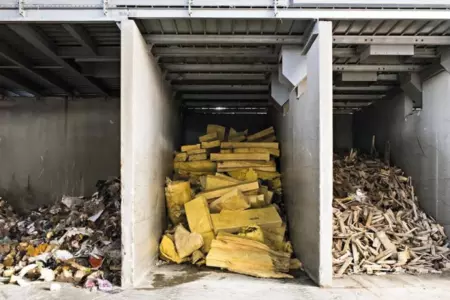
Resources & circularity Reading time: 2 min Reduced amount of non-valorized construction & demolition waste Sorting and collecting waste on contruction sites is key, to improve reuse or recycling of materials. Read more
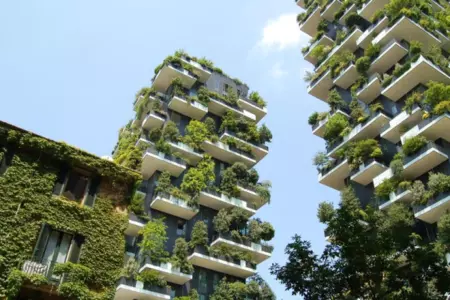
Resources & circularity Reading time: 2 min Increased lifetime and use rate Extending the useful life of buildings helps ensuring that resources are exploited to their maximum capacity. Read more
Resources & circularity Reading time: 2 min Reduced freshwater consumption Buildings should reduce their fresh water consumption, and even aim for autonomy in water supply during their useful life. Read more
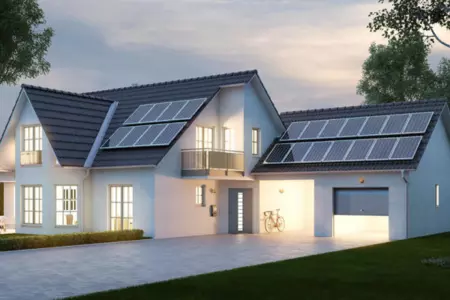
Energy & carbon Reading time: 2 min Increased use of renewable energies Once the energy needs have been reduced to the minimum, the remaining needed energy should be supplied with renewable and decarbonized sources, locally produced if possible. Read more